
 surzyme
Shanghai Zhongshuo Biotechnology Co., Ltd.
HPV Pseudovirus (HPV pseudovirus) Product Manual
[Product Information]
| Product Name | Product Number | Specification | ||
| HPV 6 Pseudovirus(GFP) | ZS0024 | 100ul | ||
| HPV 11 Pseudovirus(GFP) | ZS0025 | 100ul | ||
| HPV 16 Pseudovirus(GFP) | ZS0026 | 100ul | ||
| HPV 18 Pseudovirus(GFP) | ZS0027 | 100ul | ||
| HPV 31 Pseudovirus(GFP) | ZS0028 | 100ul | ||
| HPV 33 Pseudovirus(GFP) | ZS0029 | 100ul | ||
| HPV 45 Pseudovirus(GFP) | ZS0030 | 100ul | ||
| HPV 52 Pseudovirus(GFP) | ZS0031 | 100ul | ||
| HPV 58 Pseudovirus(GFP) | ZS0032 | 100ul | ||
【Product Specifications】
Specification: 100μL
Reference dilution factor: 1:100-1:1000
【Product Introduction】
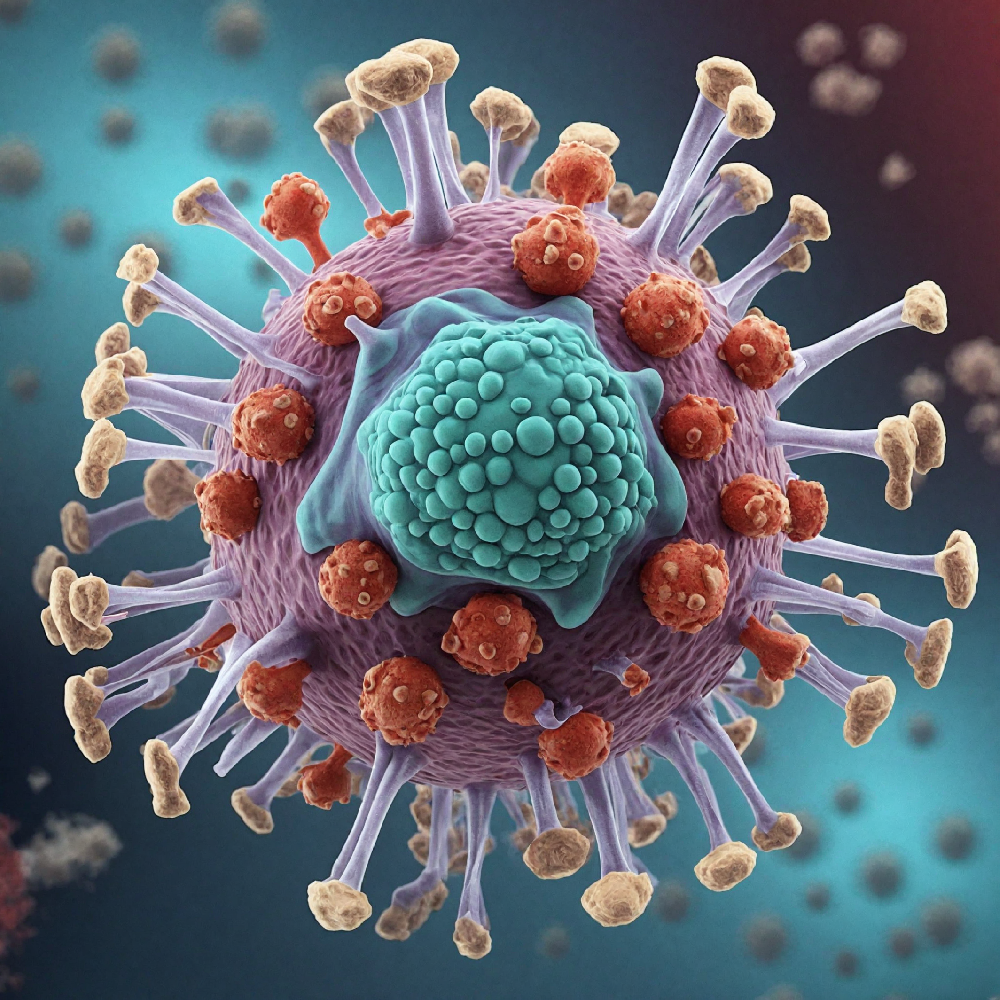
Human papillomavirus (Human Papillomavirus, abbreviated HPV) is a virus mainly transmitted through close human contact, such as sexual transmission, and can cause a variety of proliferative epithelial lesions in humans, including papillomas (warts) and tumor-like lesions. The related fatal malignant tumors and various communicable diseases it causes pose serious harm to human health. HPV neutralizing antibody levels are a key indicator for HPV-related research and development.
Zhongshuo Biotech selected relevant genes from the publicly available HPV L1 and L2 gene sequences in GenBank, constructed a gene expression plasmid, and then co-transfected 293FT cells with a gene reporter plasmid to construct HPV pseudoviruses. The virus contains the HPV capsid protein, and the viral particle packages the DNA sequence of green fluorescent protein (GFP).
【Intended Use】
Can be used for HPV antiserum or neutralizing antibody titer detection
【Main Ingredients】
DPBS-Mg, tritonx-100, ammonium sulfate, protein inhibitor, serum protein, pseudovirus
【Storage Conditions and Shelf Life】
Cryopreserved at -75±5°C or below; valid for more than 12 months.
【Usage】
1. Collect 293FT cells in the logarithmic growth phase, count them, and dilute the cell concentration to 1.5 × 10^5 cells/mL with complete DMEM medium. Seed the cells into a 96-well cell culture plate at 100 μl/well. Incubate in a CO2 incubator for 4–6 h before use for pseudovirus infection.
2. Pseudovirus dilution: Remove the frozen pseudovirus and thaw it on ice or allow it to thaw naturally at 4±1°C or room temperature. After it has completely thawed, dilute the pseudovirus to the working concentration using complete DMEM medium (containing 10% fetal bovine serum). Because pseudovirus infection efficiency varies among different cells, it is recommended to perform a preliminary experiment before the formal experiment to determine the optimal amount of virus.
3. Pre-mix the test sample and pseudovirus: Take a 96-well cell culture plate, add 55 μl of sample and 55 μl of pseudovirus dilution to each well, and gently tap around the edges to mix. Also set up a pseudovirus control well with complete culture medium instead of sample and a blank control well with no sample and no pseudovirus.
4. Pre-incubation of the test sample and pseudovirus mixture: place the 96-well culture plate in a 4°C refrigerator for 1 hour.
5. Pseudovirus infection: Aspirate 100 µL of the pseudovirus and test sample mixture and the control from each well of the 96-well culture plate, slowly add it along the wall into the corresponding wells of the culture plate pre-seeded with cells, and gently tap the sides of the culture plate to mix.
6. Infection detection: On the third day after cells were infected with the pseudovirus, infection efficiency is determined by observing green fluorescent protein expression activity.
7. To better maintain product activity, minimize repeated freeze-thaw cycles for pseudovirus products. After receiving the product, customers are advised to dilute it to 1 ml with DMEM complete medium (containing 10% fetal bovine serum), then aliquot into 50 μl small packages and store frozen at -75 ± 5°C, using them in batches (aliquoting can also be performed according to the customer's own experimental needs).
【Precautions】
1. The HPV pseudovirus we provide is a replication-defective virus, meaning that after infecting target cells, it does not use host cells to produce new viral particles;
2. Experimental operations must be conducted in a biosafety cabinet, and personal protective equipment such as lab coats, masks, and gloves must be worn properly;
3. If this product is accidentally spilled during the experiment, immediately use 84 disinfectant to inactivate it; if it splashes into the eyes, skin, or other body parts, immediately rinse with plenty of clean water;
4. Laboratory waste generated by the use of this product must be autoclaved and then disposed of in accordance with medical waste disposal requirements.